TSA PreCheck for Seniors: Benefits, Costs, and Whether It's Worth the Fee in 2026
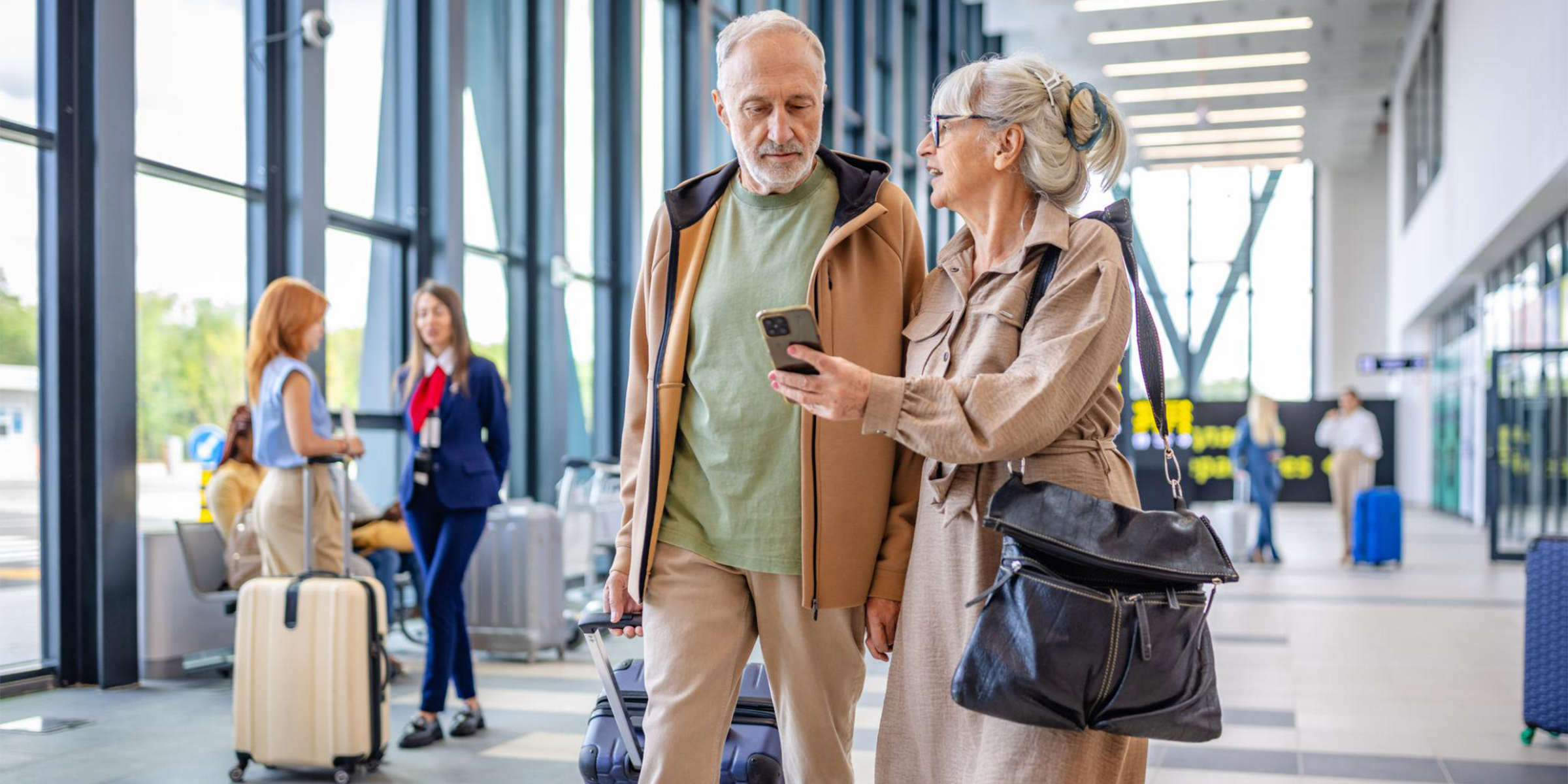



There is no senior discount for TSA PreCheck. The enrollment fee is the same for every applicant regardless of age. But the more important question is whether the program is still worth paying for at all.
In July 2025, TSA eliminated the requirement to remove shoes at security checkpoints for all travelers. Keeping your shoes on was one of PreCheck's most-cited benefits for years. Now that it's universal, seniors need a fresh reason to enroll. This guide covers what PreCheck actually still delivers for older travelers, what the existing 75+ standard screening benefit does and doesn't cover, and how to apply.
Does TSA PreCheck Offer a Senior Discount?
No. TSA PreCheck has no age-based pricing. The enrollment fee runs from $76.75 to $85 for a new five-year membership, depending on which provider you use: IDEMIA charges $76.75, CLEAR charges $79.95, and Telos charges $85. Renewals start at $58.75 online through IDEMIA.
TSA does not offer fee assistance to any group based on age. That's confirmed directly on TSA.gov and in the FAQ of every enrollment provider. The only groups that get free TSA PreCheck are active-duty military, DoD civilians, Gold Star families, and certain disabled veterans under the VETS Safe Travel Act.
The silver lining: $76.75 spread over five years comes to about $15 per year. If you hold a premium travel credit card, many reimburse the enrollment or renewal fee entirely, bringing your out-of-pocket cost to zero.
What Seniors 75 and Older Already Get Without PreCheck
Before evaluating whether PreCheck is worth it, it helps to know what TSA already gives you at 75.
Passengers 75 and older are permitted to keep their shoes on during standard security screening as part of TSA's risk-based screening approach. If you pass through the checkpoint without triggering an alarm, your shoes stay on. If an alarm sounds, you may still be asked to remove them for additional screening.
One important caveat that often goes unmentioned: the 75+ shoe exemption does not extend to light jackets. Removal of light jackets is still required for Advanced Imaging Technology (AIT) screening in standard lanes, even for passengers over 75. That means seniors in standard lanes are still asked to remove outerwear, unpack their laptops, and pull out their liquids bag, regardless of age.
PreCheck eliminates all of that.
What TSA PreCheck Actually Does for Seniors
Shoes aside, PreCheck's value for seniors comes from two things: a shorter line and a less demanding screening process.
The Dedicated Lane
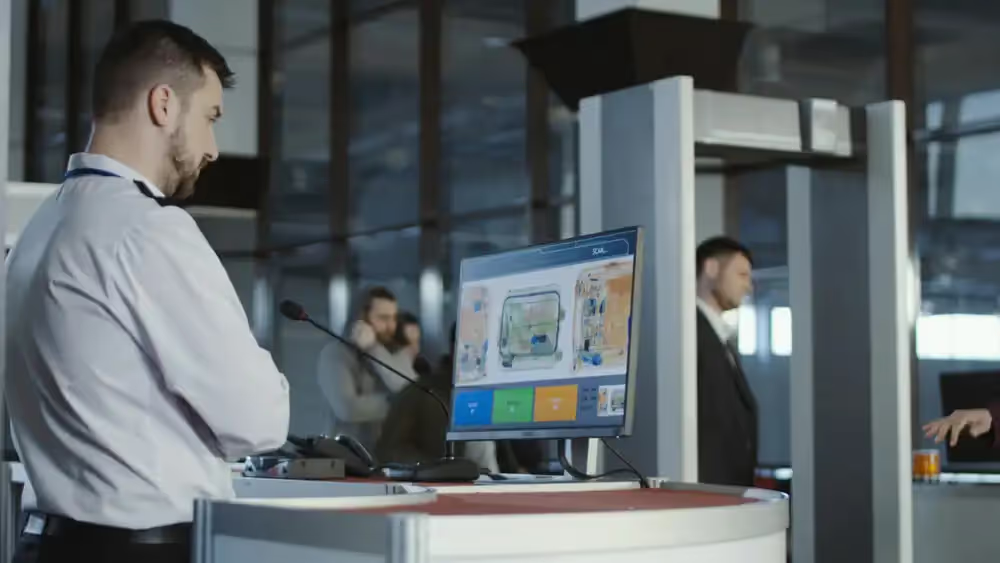
TSA PreCheck has its own dedicated lane. TSA reports that the vast majority of PreCheck passengers wait less than 10 minutes. For seniors managing mobility concerns, medications, or assistive devices, the biggest stress point at the airport is often not the screening itself, it's standing in a slow-moving standard lane for 20 to 40 minutes before you even reach the checkpoint.
What You Don't Have to Remove
With PreCheck, your belt stays on. Your light jacket stays on. Your laptop and liquids bag stay in your carry-on. Each item that gets removed at a standard checkpoint is a physical task: bending, unzipping, lifting, then reversing the whole process before you can move. For travelers managing arthritis, limited mobility, or any condition that makes repetitive bending difficult, eliminating those steps matters.
For a full cost-benefit breakdown by travel frequency, the GOV+ guide to whether TSA PreCheck is worth it covers the math in detail.
Is TSA PreCheck Worth It for Seniors in 2026?
Now that shoes staying on is a universal policy, it's a fair question. The answer depends mostly on how often you fly.
If you fly twice a year or more, PreCheck almost certainly pays for itself. At $15 to $17 per year, you're paying roughly what a single checked bag costs at most carriers, and getting five years of shorter lines, less unpacking, and less time on your feet at the checkpoint on every trip.
If you fly once a year, the calculus is still favorable for most seniors. The physical ease of walking through a dedicated lane without removing outerwear or repacking electronics adds up, especially during busy travel periods when standard lanes can stretch to 30 minutes or more.
If you fly very rarely, check whether you hold a travel credit card that reimburses the fee. If it does, the enrollment costs you nothing.
Seniors with mobility devices, wheelchairs, prosthetics, or medical equipment can use PreCheck and TSA Cares together. TSA Cares provides personalized checkpoint assistance for travelers with disabilities or medical conditions, it doesn't replace PreCheck, but it ensures you have dedicated support at the checkpoint. Contact TSA Cares at least 72 hours before travel at (855) 787-2227.
How to Use GOV+ to Apply for TSA PreCheck as a Senior
Seniors apply through the same process as any other adult. There are no additional requirements or age-specific steps. Before starting, review the full TSA PreCheck eligibility requirements to confirm you qualify.
- Start your application online. The form takes about five minutes. You'll provide your personal information, answer a few background questions, and schedule an in-person appointment.
- GOV+ books your enrollment center appointment for you. This is usually the part that slows people down. GOV+ surfaces the closest available slot so you're not navigating multiple provider websites.
- Attend your appointment. Bring a valid ID and any required documents. The appointment takes about 10 minutes. You'll be fingerprinted and pay the government fee on-site.
- Receive your KTN by email. Most applicants are approved within 3 to 5 days. Plan for up to 30 days from start to finish, and don't wait until the week before a trip.
If you've had TSA PreCheck before and let it expire, the renewal process is 100% online, no in-person appointment, no mailing anything.
Whether you're applying for the first time or renewing, GOV+ makes the process easy:
- Simple online form with no paper forms and no government websites to navigate
- Appointment scheduling so we set up your in-person visit for you
- Real-time tracking so you can monitor your application status at every step
- 24/7 expert support to get answers fast without waiting on hold
With a GOV+ subscription, your PreCheck is automatically renewed before it expires, for free, you just pay the government fee. No expiration dates to track, no scrambling to reapply.
Ready to apply? Get started here.
Frequently Asked Questions
Do seniors get free TSA PreCheck?
No. The enrollment fee is the same for all ages. There is no senior discount or age-based waiver. The only groups that receive free TSA PreCheck are active-duty military, DoD civilians, Gold Star families, and certain disabled veterans under the VETS Safe Travel Act.
If you're ready to enroll, GOV+ handles the online application and books your enrollment center appointment for you, so you're not navigating multiple provider websites on your own.
Is TSA PreCheck still worth it now that shoes don't have to come off?
For most seniors, yes. The shoe policy change made keeping shoes on universal for all travelers, but TSA PreCheck still provides a dedicated shorter lane, eliminates belt and light jacket removal, and lets you keep your laptop and liquids in your bag. At roughly $15 to $17 per year, it's a low-cost way to reduce the physical demands of airport security on every trip.
Ready to enroll? GOV+ starts with a simple online form and books your in-person appointment for you, the whole process takes about five minutes to get started.
What is the TSA benefit for passengers 75 and older?
Passengers 75 and older can keep their shoes on during standard security screening. Light jackets are still required off for Advanced Imaging Technology screening. Shoes may also still come off if an alarm sounds. This benefit is separate from TSA PreCheck and applies automatically, no enrollment required.
If you want the full PreCheck experience , dedicated lane, belt on, jacket on, laptop in your bag, GOV+ can help you get started with a simple online form and handles booking your enrollment appointment for you.
Can seniors with mobility devices use TSA PreCheck?
Yes. TSA PreCheck and TSA Cares can be used together. TSA Cares provides personalized checkpoint assistance for travelers with disabilities, medical conditions, or mobility aids. Call (855) 787-2227 at least 72 hours before your flight.
To get your PreCheck enrollment started, GOV+ books your appointment and walks you through the process step by step, so you arrive at your enrollment center with everything in order.
How long does it take to get TSA PreCheck?
Most applicants receive their KTN within 3 to 5 days of their enrollment appointment. Plan for up to 30 days from your application submission to the indicator appearing on your boarding pass, and don't apply the week before a trip.
References
- Transportation Security Administration. "Screening for Passengers 75 and Older." https://www.tsa.gov/travel/tsa-cares/screening-passengers-75-and-older
- Transportation Security Administration. "DHS to End 'Shoes-Off' Travel Policy." July 8, 2025. https://www.tsa.gov/news/press/releases/2025/07/08/dhs-end-shoes-travel-policy
- Transportation Security Administration. "Does TSA provide any discounts, promotions or reimbursement assistance to cover the TSA PreCheck application fee?" https://www.tsa.gov/travel/frequently-asked-questions/does-tsa-provide-any-discounts-promotions-or-reimbursement
- Transportation Security Administration. "TSA PreCheck." https://www.tsa.gov/precheck
- CLEAR. "Are there any Military or Senior Citizen discounts for TSA PreCheck?" https://www.clearme.com/support/are-there-any-military-or-senior-citizen-discounts-for-tsa-precheck-r
- Transportation Security Administration. "Credit Cards and Loyalty Programs featuring TSA PreCheck." https://www.tsa.gov/precheck/credit-cards-offer